


Thurgarton
Thurgarton Church
25/08/26
Robberfly Sp
Yellow Sorrel (Oxalis corniculatus)
Potter Spider Wasp (Aupoplus carbonarius)
Thurgarton Church
26/08/26

Large Flax Flea Beetle (Apthona euphorbiae)


Nymph - Bug Sp


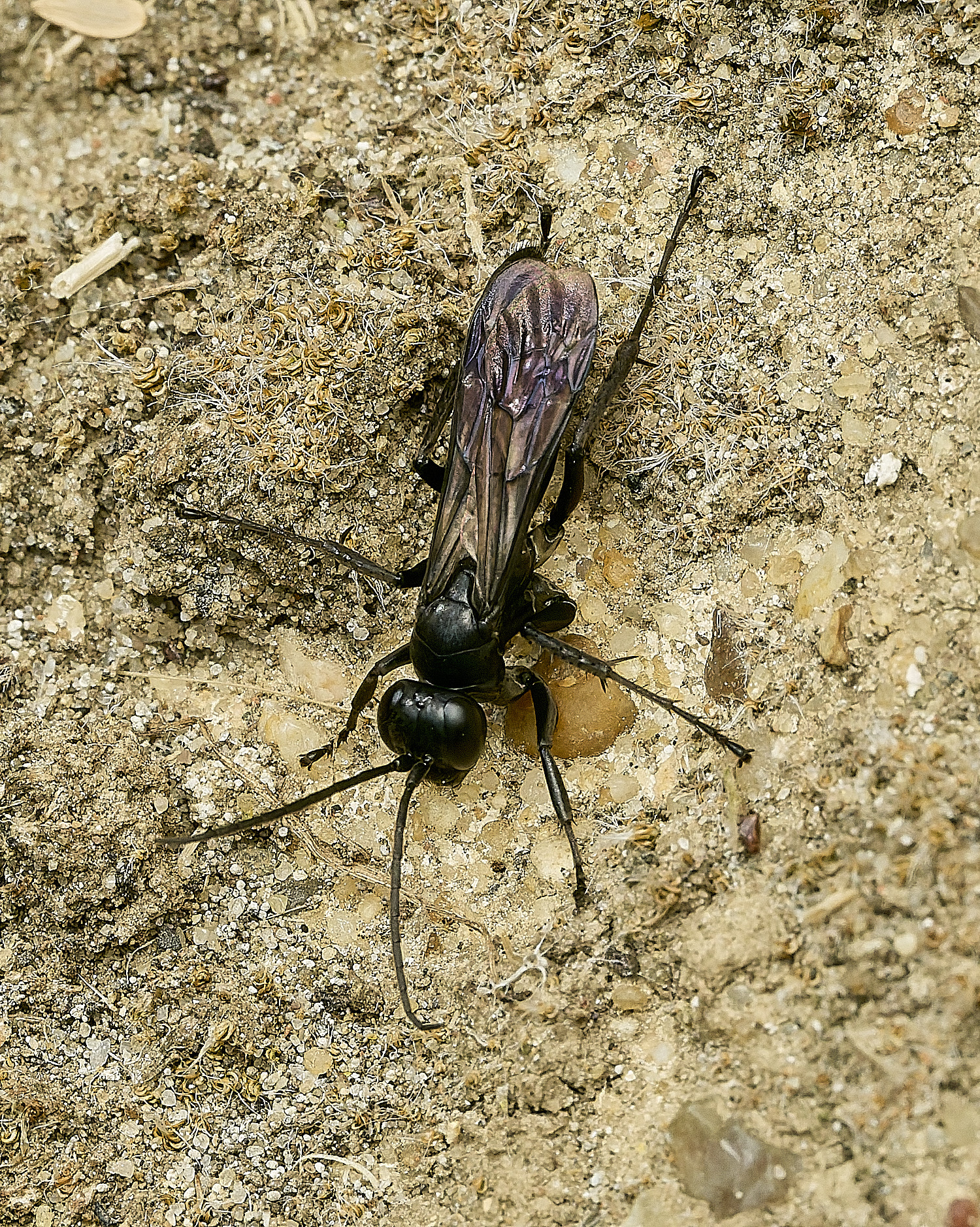
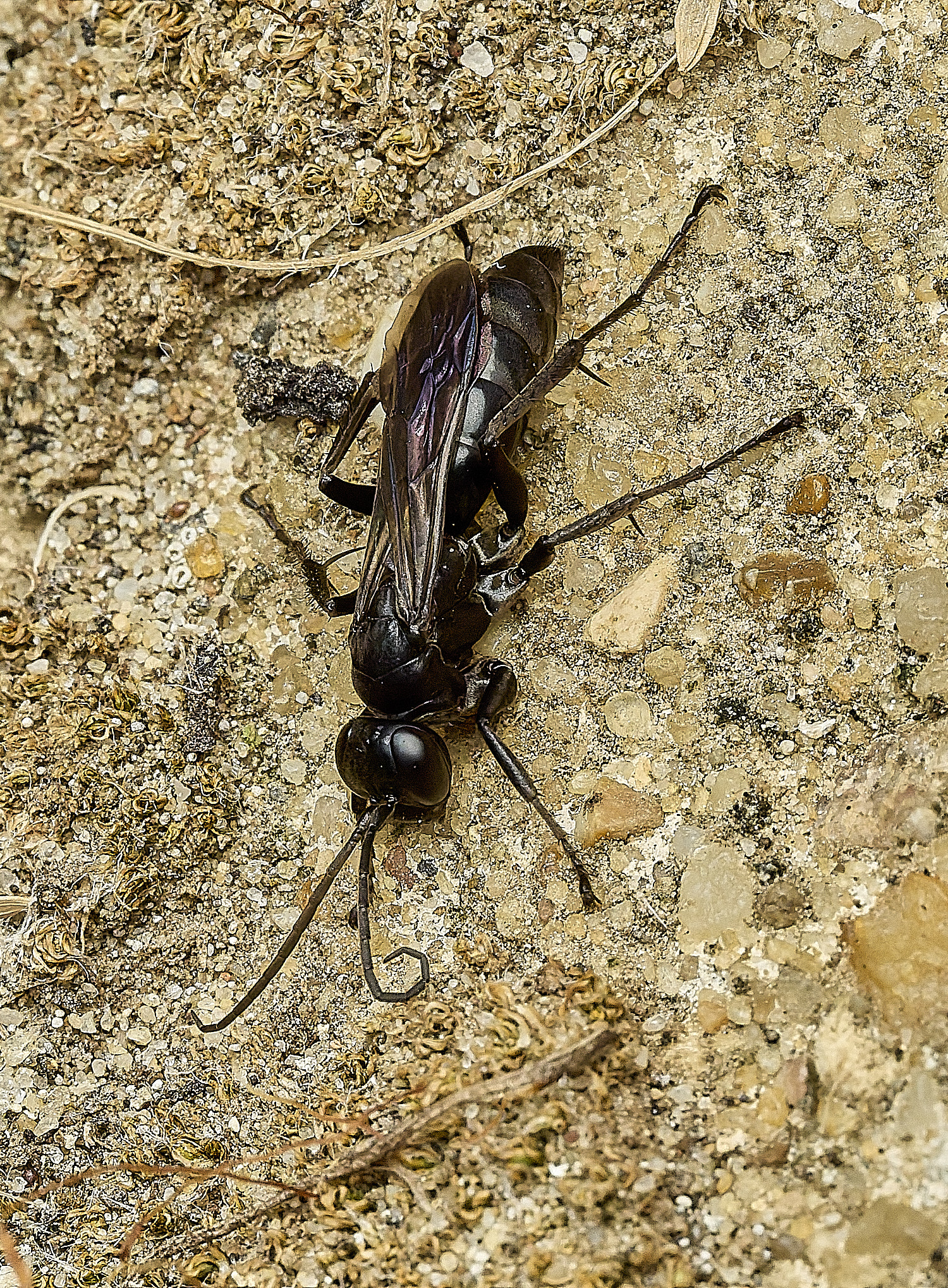
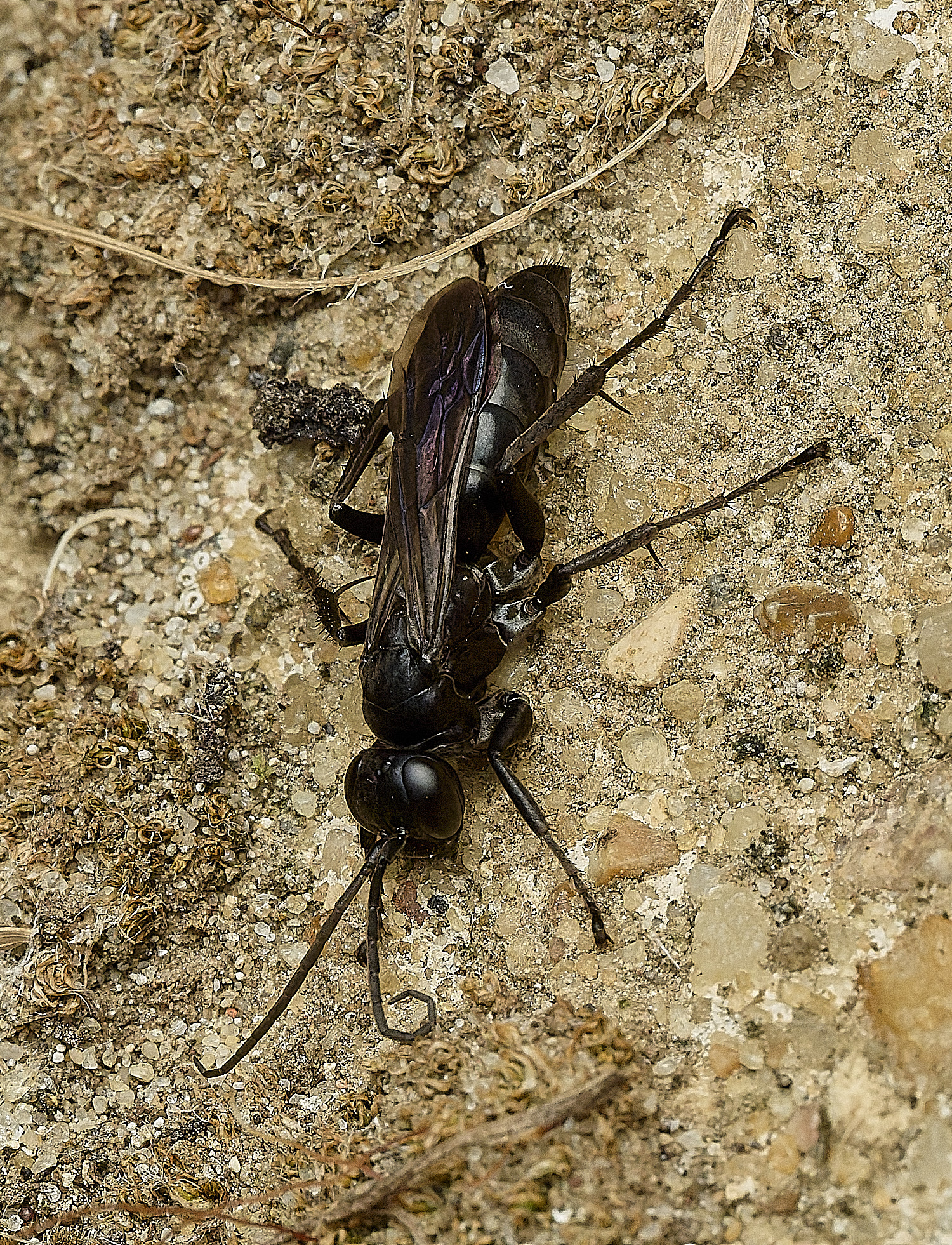


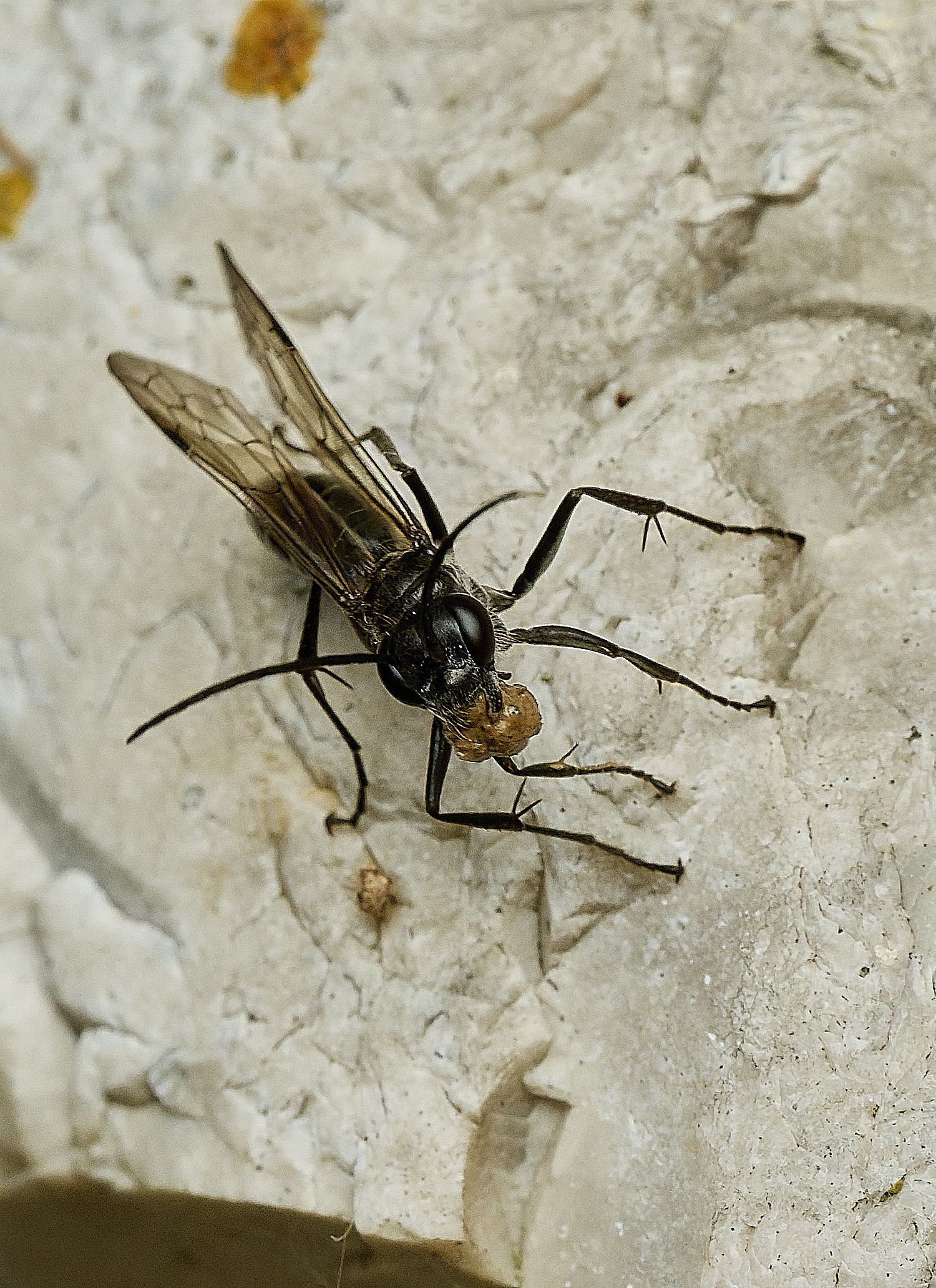

Spider Potter Wasp (Aupoplus carbonarius) carrying mud balls to create pots.
Thurgarton Church
01/09/28


Spider Potter Wasp Aupoplus carbonarius) dragging prey to nest site. In credibly fast, didn't pause at any time.
About 20 seconds to climb 12 ft up the side of the church, with occasional back tracking.
Fly Sp


Cromer / Hanworth
Cromer

Ivy (Hedera helix)


Green Mesh Web Spider (Nigma walckenaeri)
Hanworth 

Caryopteris


Cranwich Pits

Myrmus miriformis
British Bugs

Ant-like Flower Beetle
Anthicus antherinus 

Ground Bug Sp
Emblethis denticollis


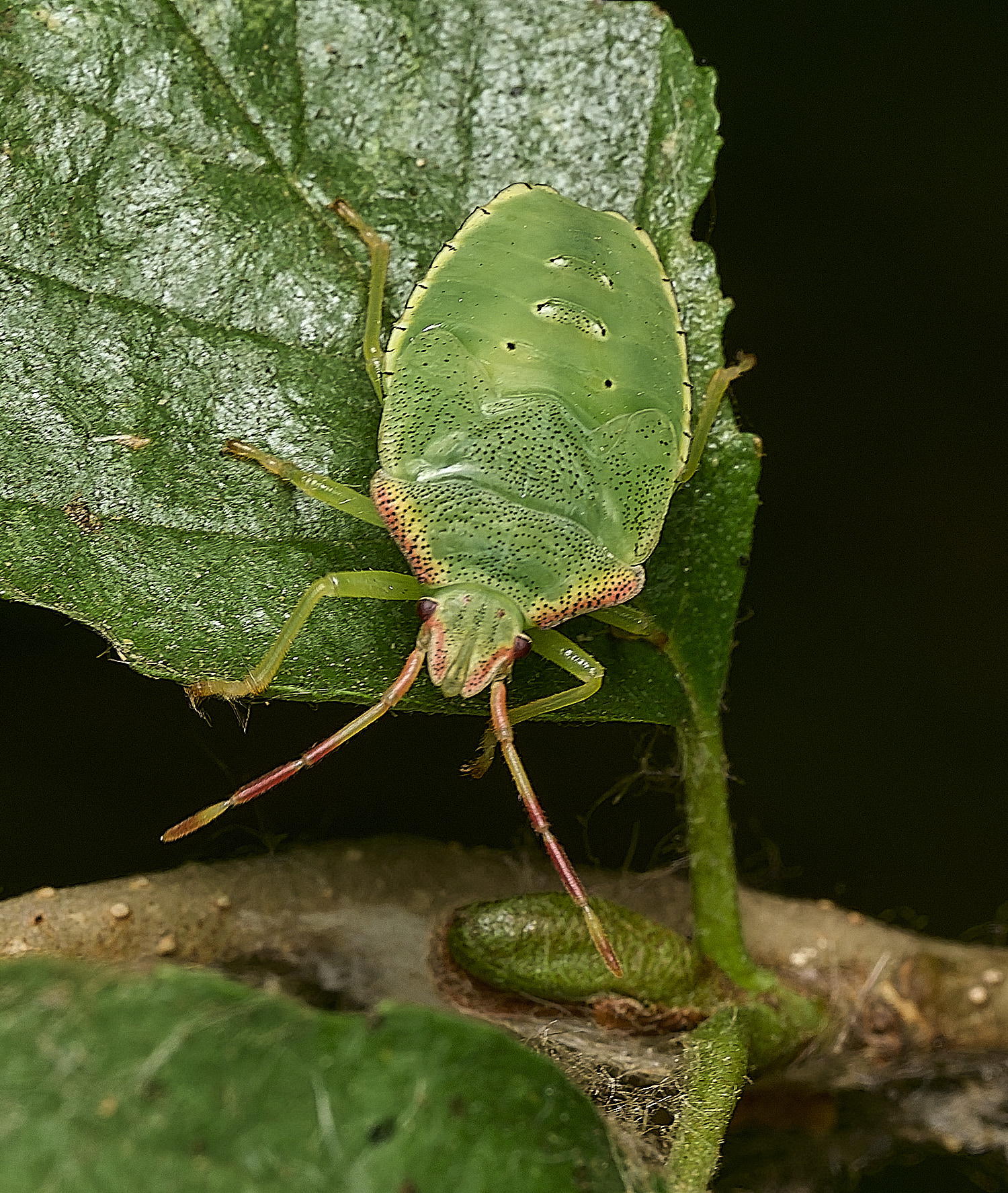
Final instar nymph Hawthorn Shieldbug (Acanthosoma haemorrhoidale_


Sawfly Sp on Alder (Alnus glutinosa)
Hemichroa australis
Ladybird eggs
Psyllid Nymph Sp 
Spider Sp
Mite activity


16 Spot Ladybird (Tytthaspis sedecimpunctata)
16 Spot Ladybird larva


Horse Chestnut.(Asculus hippocastanum) canopy
Horse Chestnut Leaf Miner Moth (Cameraria ohridella)


Fencepost Jumping Spider (Marpissa muscosa)
Poplar Leaf Miner Phyllonistis xenia on White Poplar (Populus alba)?
Rust on White Poplar
Melampsora populnea?

Salticus cingulatus


Ant-like Flower Beetle
Notoxus Sp
Notoxus monoceros with distinctive forward facing horn on the front of the pronotum.
Insects Pro
Red Bartsia (Odontites vernus)

Red Bartsia Rust (Coloeosporium tussilaginis)
Square-stalked St John's-wort (Hypericum tetrapterum)
Cheilosia impressa

Mites on Alder (Alnus glutinosa)
Common Blue Damselfly (Enallagma cyathigerum)
Hop (Lupulus lupulus)


Rove Beetle Sp
Scaphidium quadrimaculatum)

Physcia tenella
Spider Sp?

Leiobunum rotundum

Wasp Spider (Argiope brunnechii) 
Sp?

Gypsywort (Lycopus europaeus)
Fleabane (Pulicaria dysenterica)
Purple Loosestrife (Lythrum salicaria)


Lacebug Nymphs on Water forget-me-not. (Myositis scorpoides)
Dictyla convergens
British Bugs

Trifid Bur-marigold (Bidens tripartita)?

Red Goosefoot (Oxybasis rubra)
Redshank (White form) (Persicaria maculosa)


Nodding Bur-marigold (Bidens cernua)


Fungus Sp?

Spider Sp
Pirata Sp (Likely Pirata piraticus)
Tipula Sp?
This has very narrow wings and a very obvious sandy brown central stripe.


Upright Hedge-parsley (Torilis japonica)


Speckled Bush-cricket (Leptophyes punctatissima)
Many thanks to VB for help with ids
Upton Fen


Angelica (angelica arachnagelica)

Alder Buckthorn (Frangula alnus)


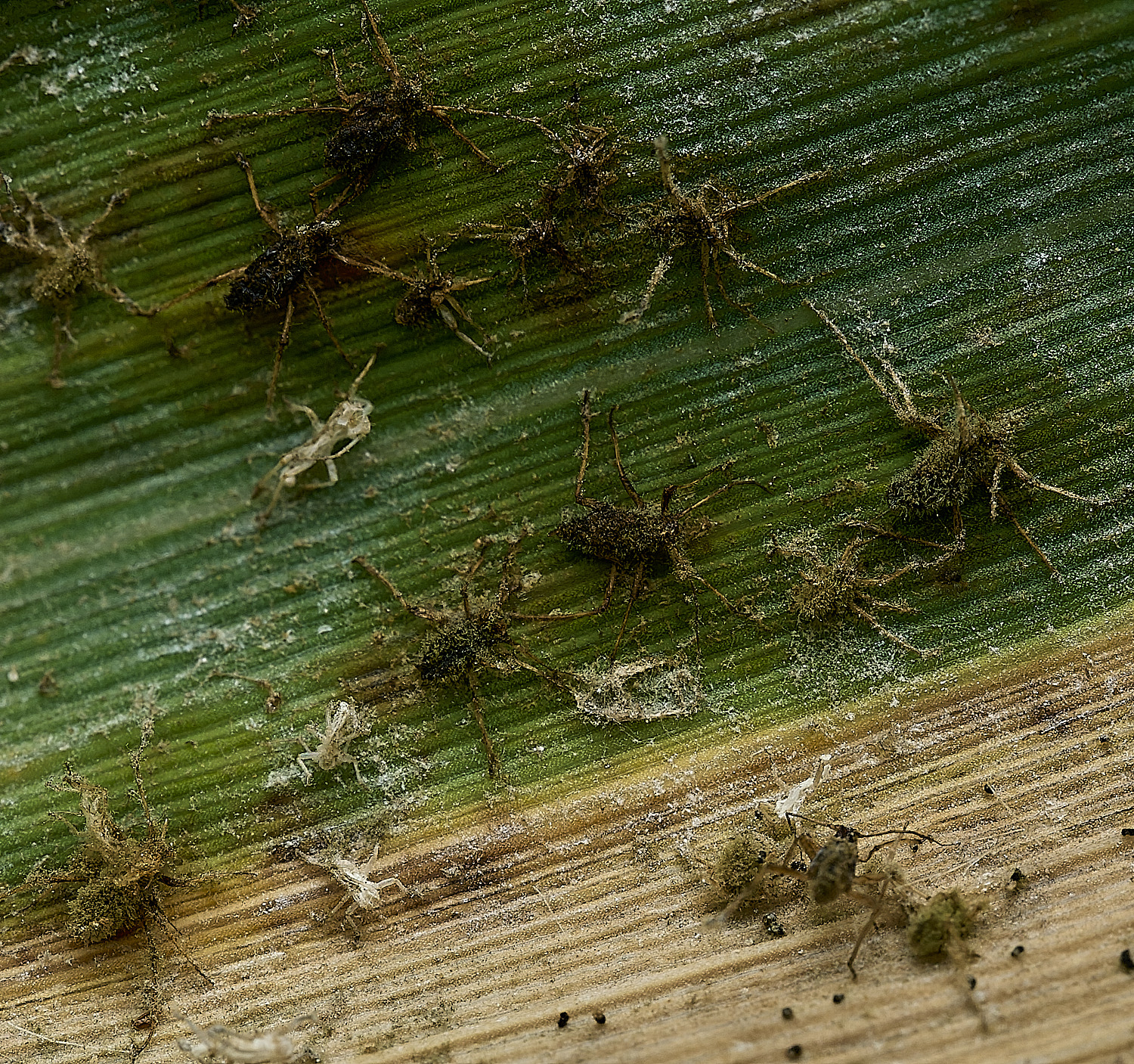

Reed/Plum Aphid (Hyalopterus pruni)

King Alfred's Cakes (Daldinia concentrica)


Parsley Water Dropwort (Oenantha lachenallii)

Fungus Sp Pseudocercospora depazeoides on Elder (Sambucus nigra)


Willow Emerald (Chalcolestes viridis)


Grass of Parnassus (Parnassia palustris)


Hop (Humulus lupulus)
Leafhopper Sp

Marsh Fern (Thelypteris palustris)


Milk Parsley (Peucadanum palustre)
Leaf Mine Sp
Knopper Gall (Andricus quercuscalicis)


Parent Bug (Elasmuch grisea)


Anther smut (Microotryum succisae)?
Sheep's Bit Scabious (Jasione montana)
Silver Y (autogrpha gamma)

Spiderlings Sp?
Spider Sp

Guelder Rose (Viburnum opulus)

Wasp Spider (Argiope bruennichi)
Bog myrtle (Myrica gale)
Raspberry Thorns (Rubus idaeus)
Winterton


Reindeer or Cream Cup Lichen ( Cladonia portentosa)

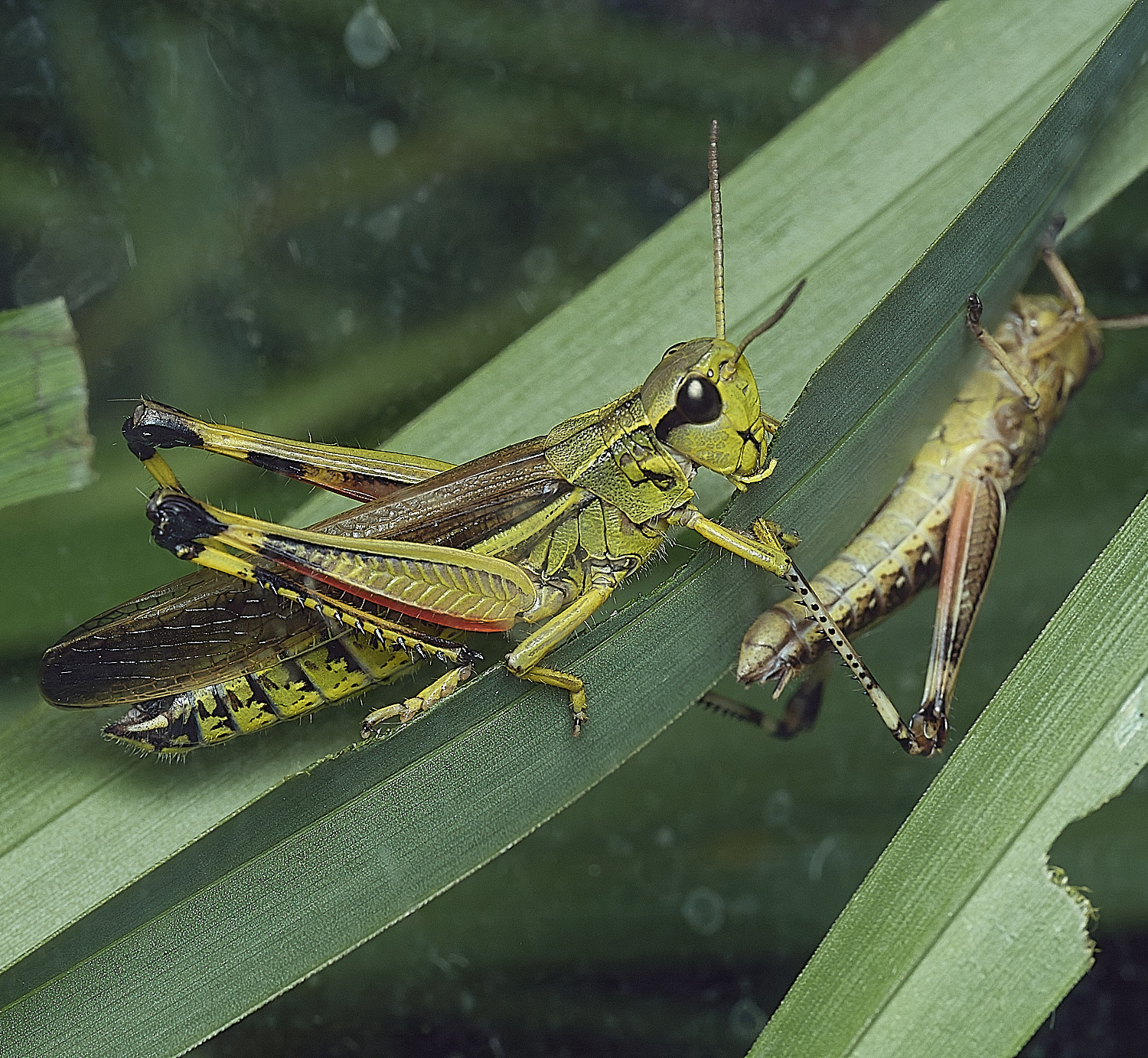
Mottled Grasshopper (Myrmeleotettix maculatus)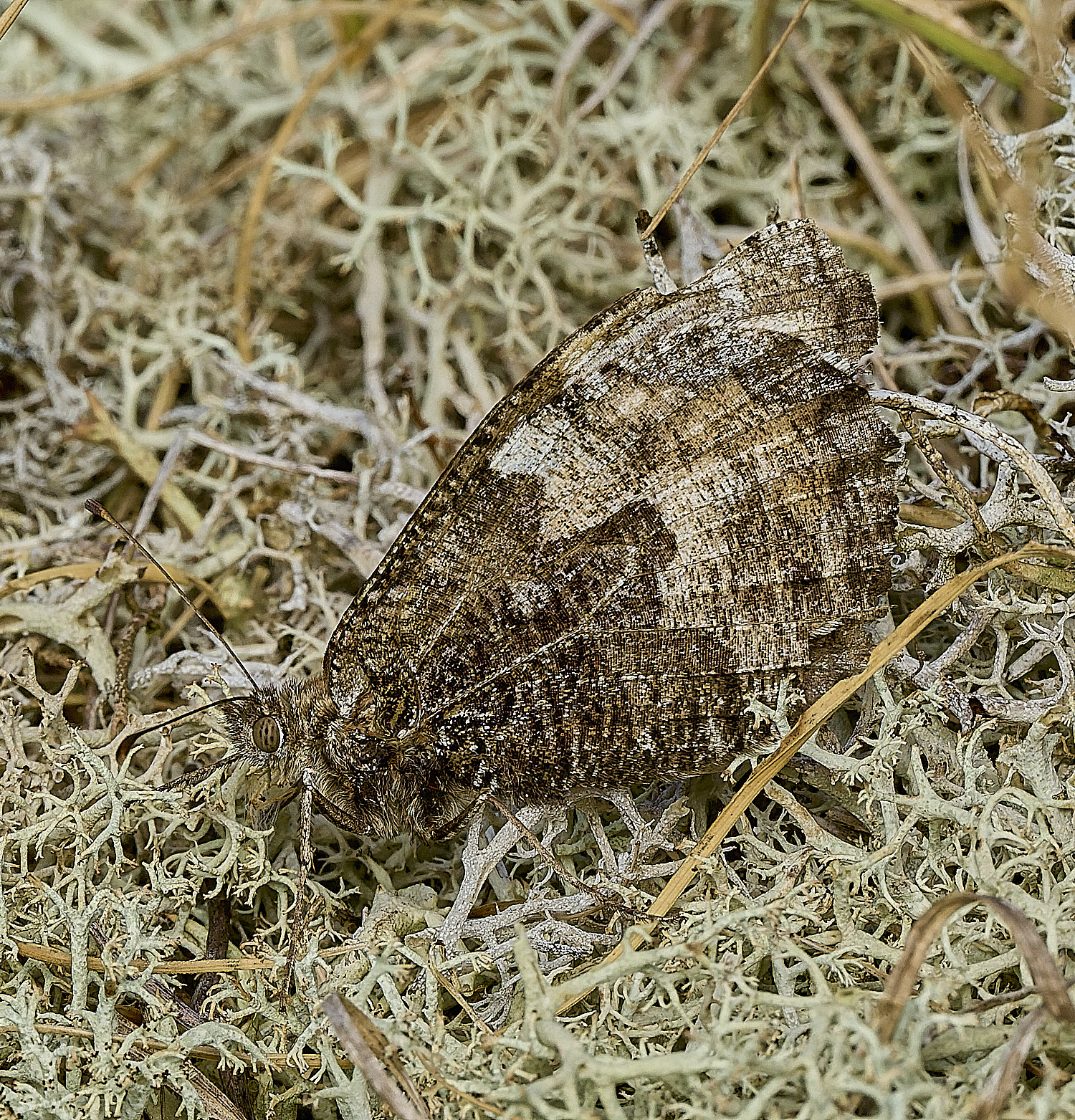


Grayling (Hipparchia semele)




Stiffkey Marshes


White Stamens
Common Sea Lavender (Limonium vulgare)


Images above show quite a few sterile shoots on the same plant
A later image of the dried version of the above plant.
29 cm high
Leaves 6mm wid
14 cm high
Leaves 4mm wide
29cm high
Leaves 7mm wide
Again a number of sterile shoots on the images of two different plants
Does this make this L saxonicum?
Something from Blakeney Point for comparison
16cm high
8mm wide leaves


In the village on a Magnolia Bush
3 Green Mesh Web Spider (Nigma walckenaeri)
Ichneumon Sp
Gressenhall

Nodding Thistle (Carduus nutans)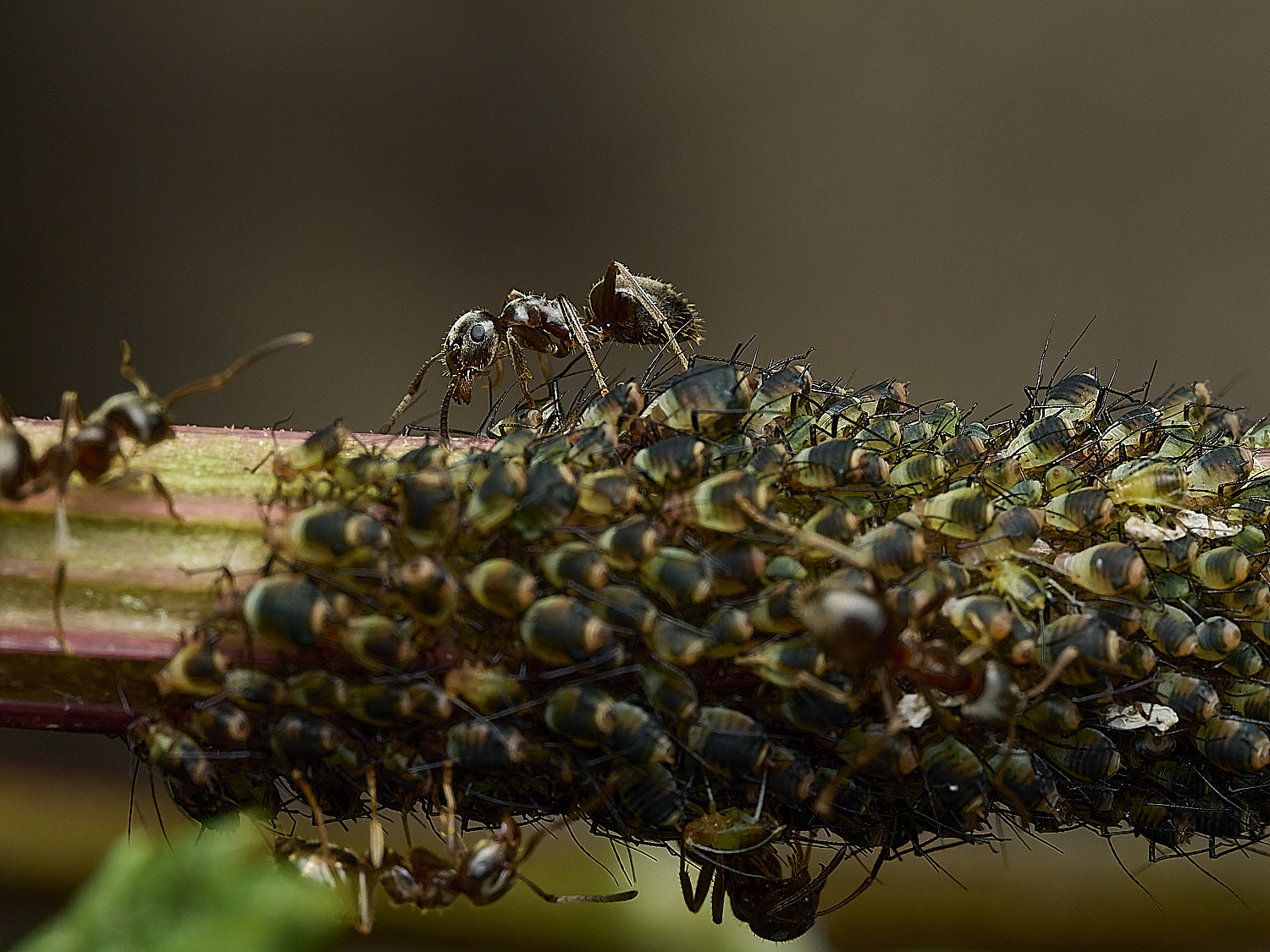


Pink Tansy Aphid (Metopeurum fuscoviride)
Sheringham


Leaves clearly turning yellow/brown as the plant flowers
Tall upright stems


From the Limonium Key
4 Leaves 15-40mm long, uppermost saltmarsh and interface of drier habitats 5
5 Flowering stems 15-40cm (select well-grown non-shaded plants), branches held erect, leaves usually senescent at flowering 8
8 branches held erect (c.20°) ‘bunched’, leaves usually turning yellow/brown at flowering, spike fine Limonium anglicum
Limonium anglicum
Stiffkey Marshes


Sea Lavender (Limonium vulgare)
White stamens and branching above the middle of the stem.


Sea Wormwood (Artemisia maritima)


Limonium Sp?
Limonium intercedens

The above two images show a number of infertile stems so perhaps a different species.
Salthouse


Common Mallow (Malva sylvestris)
Red-legged Spider Wasp (Episyron rufipes) excavating


Dewberry (Rubus caesius)
Sp?
Black- banded Spider Wasp (Anoplius viaticus) excavating
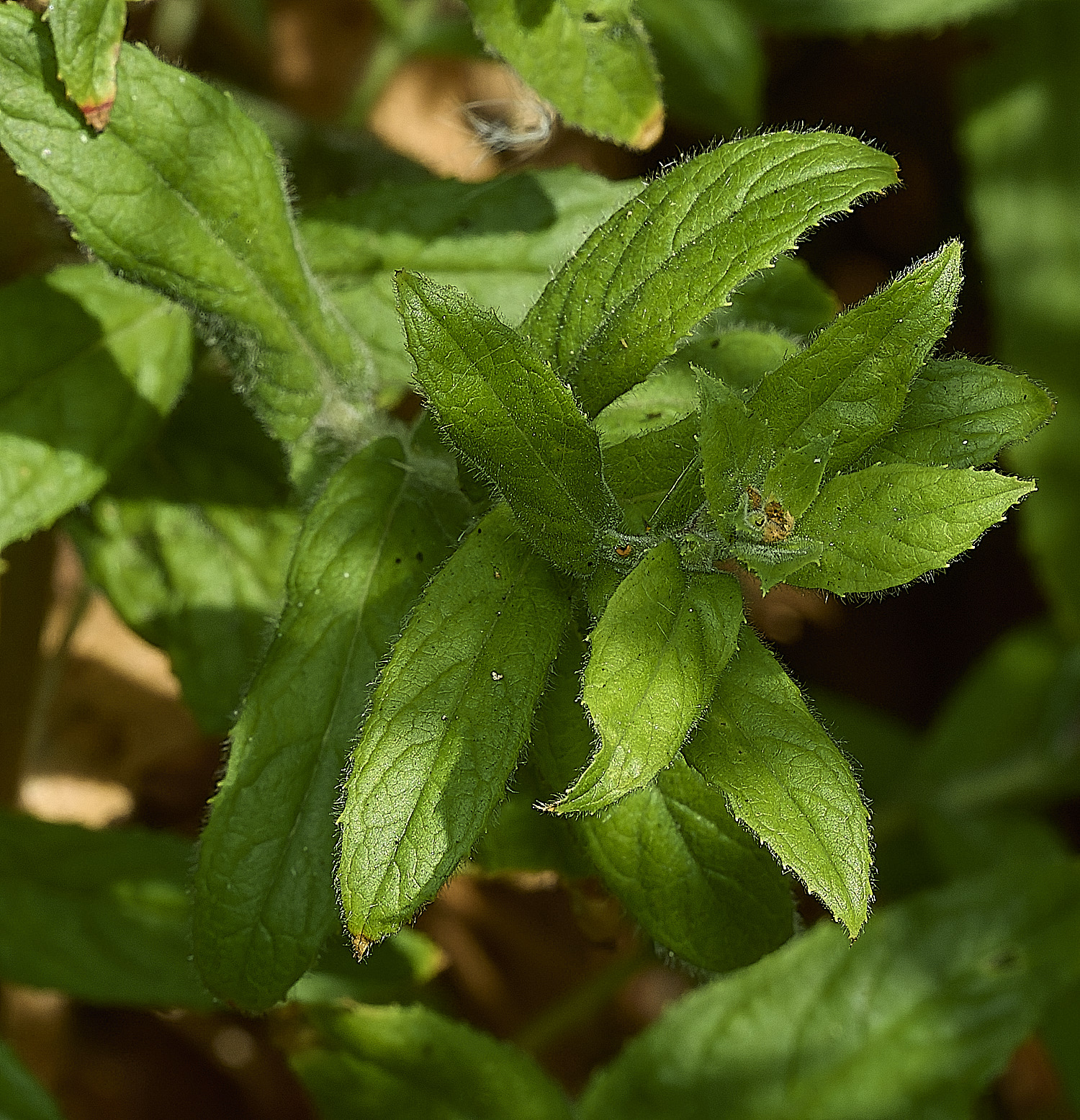
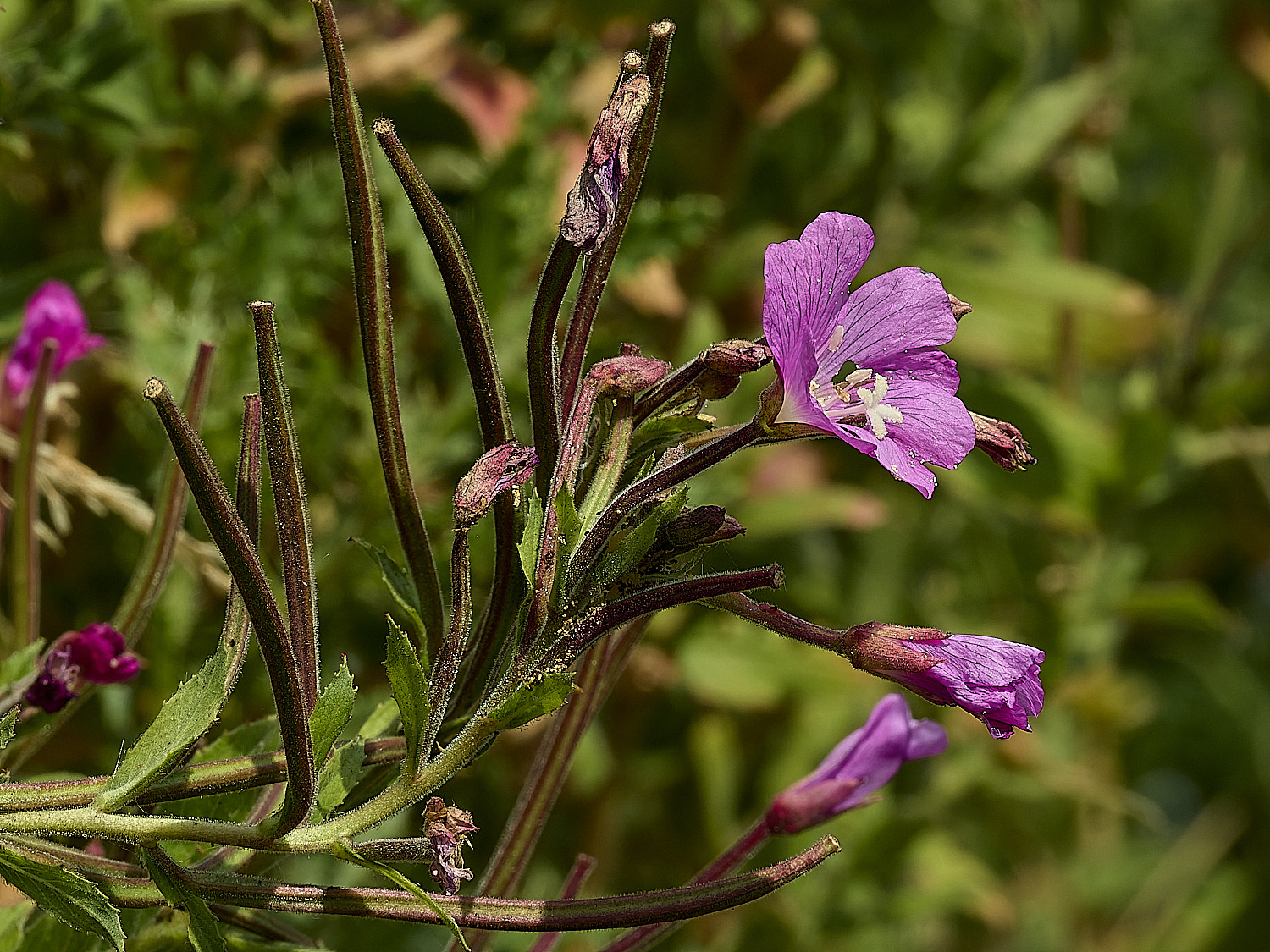
Great Willow Herb (Epilobium hirsutum)

Lesser Sea Spurrey (Spergularia maratima)
Moth Sp?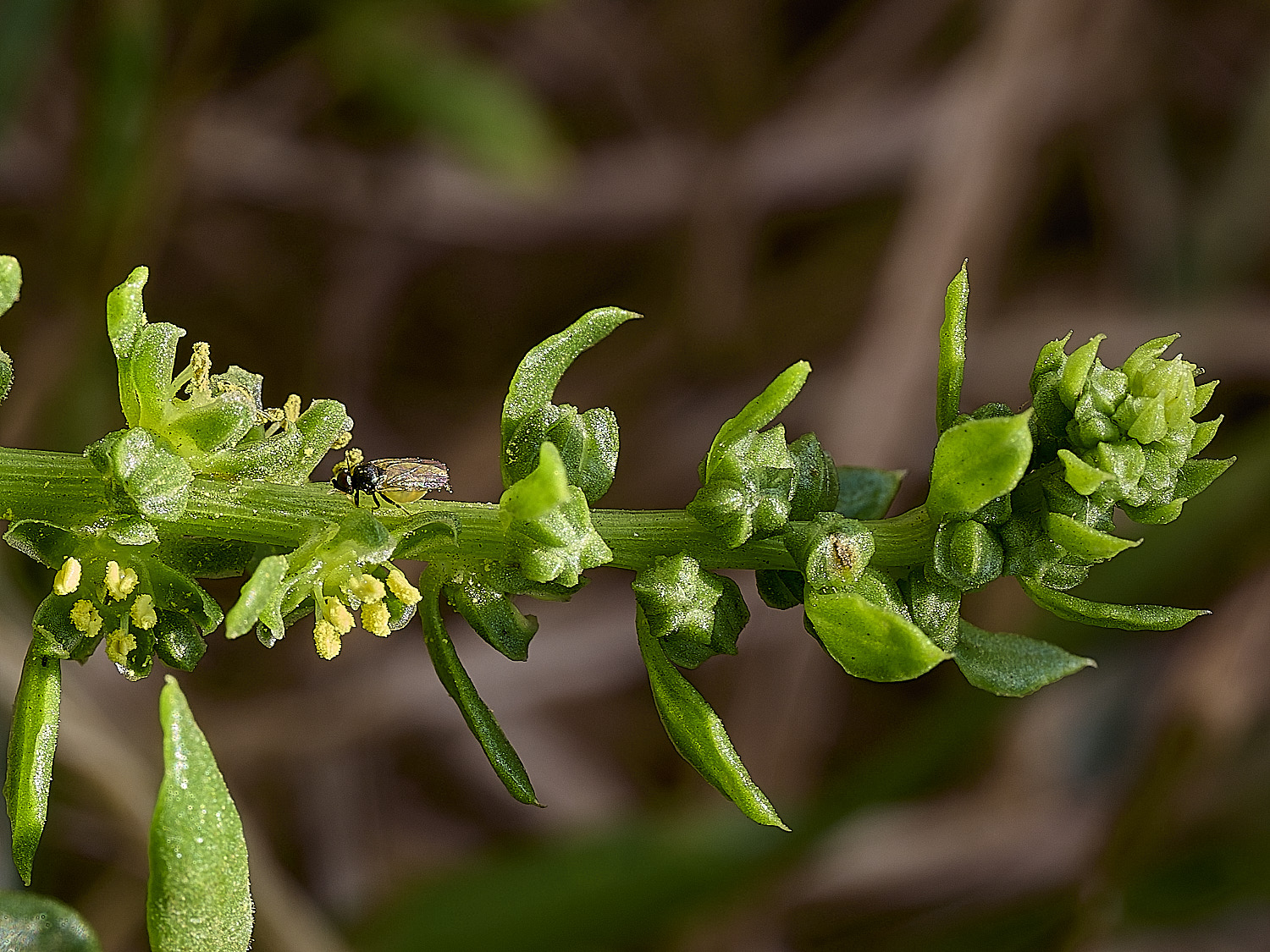
Sea Beet (Beta vulgaris subsp maritima)


Much as I enjoy the sight of the flag like stalks of the Cordgrass (Sporobous anglicus) at this time of year.
Reading the Wikipedia entry for this species, if the information is correct, this species has done a huge amount of damage to salt marsh species around the world.
Thornham & Holme


Duke of Argyll's Tea Tree (Lycium barbarum)
Moon Jellyfish (Aurelia aurita)


Columnar Rus - Uromyces chenopdii-fruticosi, on Shrubby Sea Blite (Sueda vera)
Uromyces chenopdii-fruticosi
Five petals and five stamens (Tamarisk gallica)


Red Anthers


Sea Lavender (Limonium vulgare) x Lax Flowered Lavender (Limonium humile)
Limonium x neumanii
Holme Beach
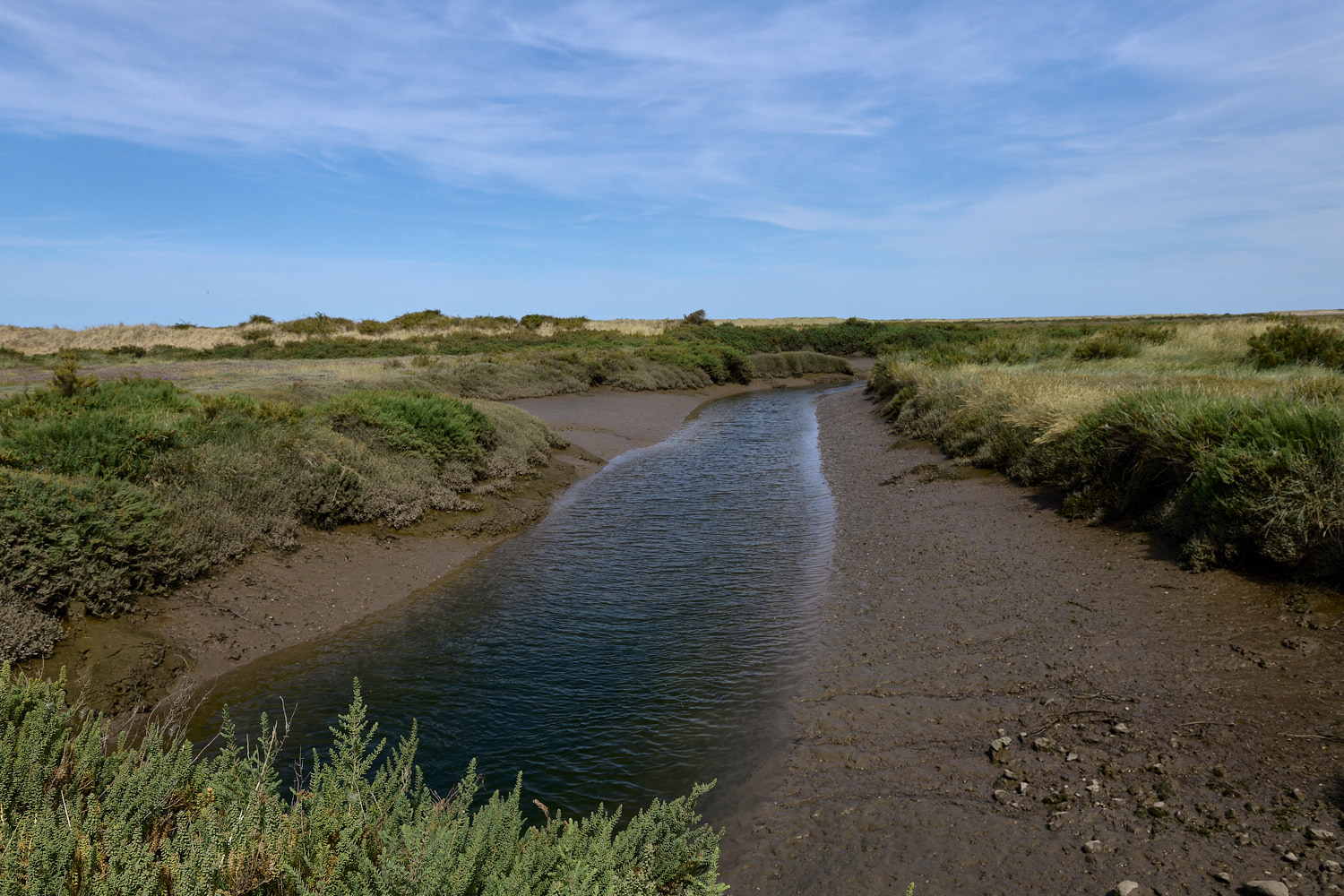
Saltmarsh - Holme

Ergot (Claviceps pupurea) ? on Marram Grass (Ammophila arenaria)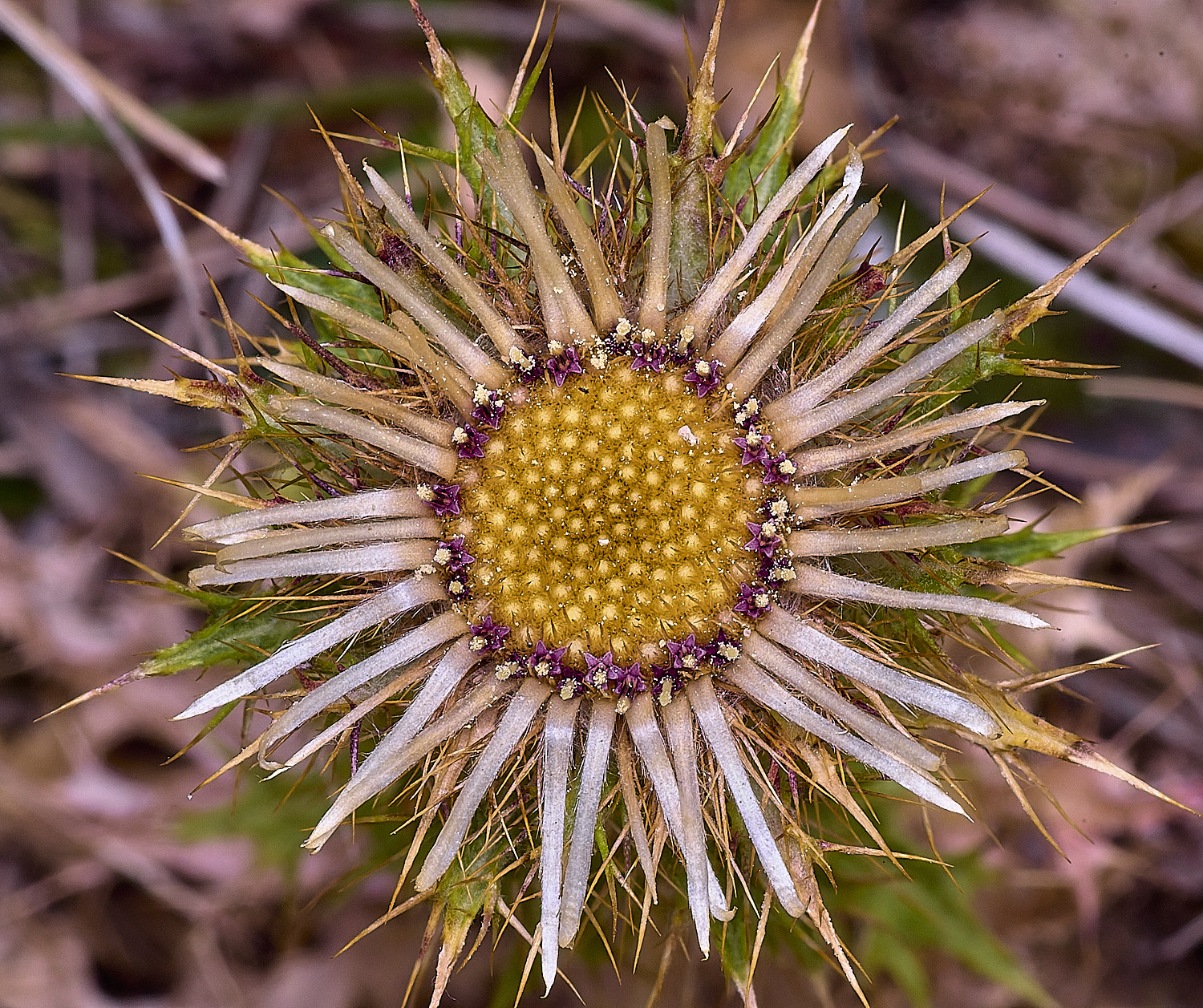

Carline Thistle (Carlina acaullis)

Wild Garlic (Allium vineale)

Hieracium Sp?


Ni infetile branches generally
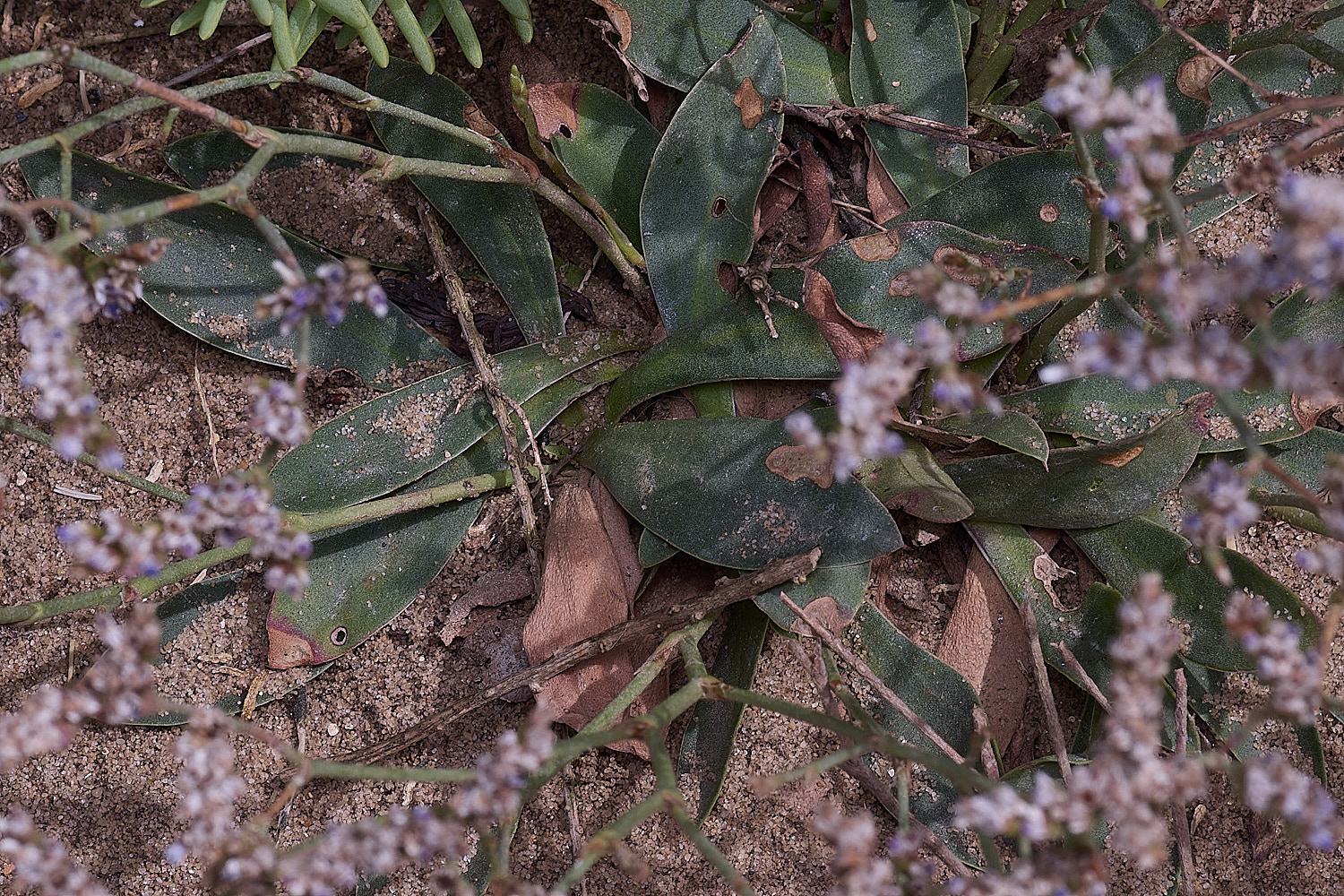

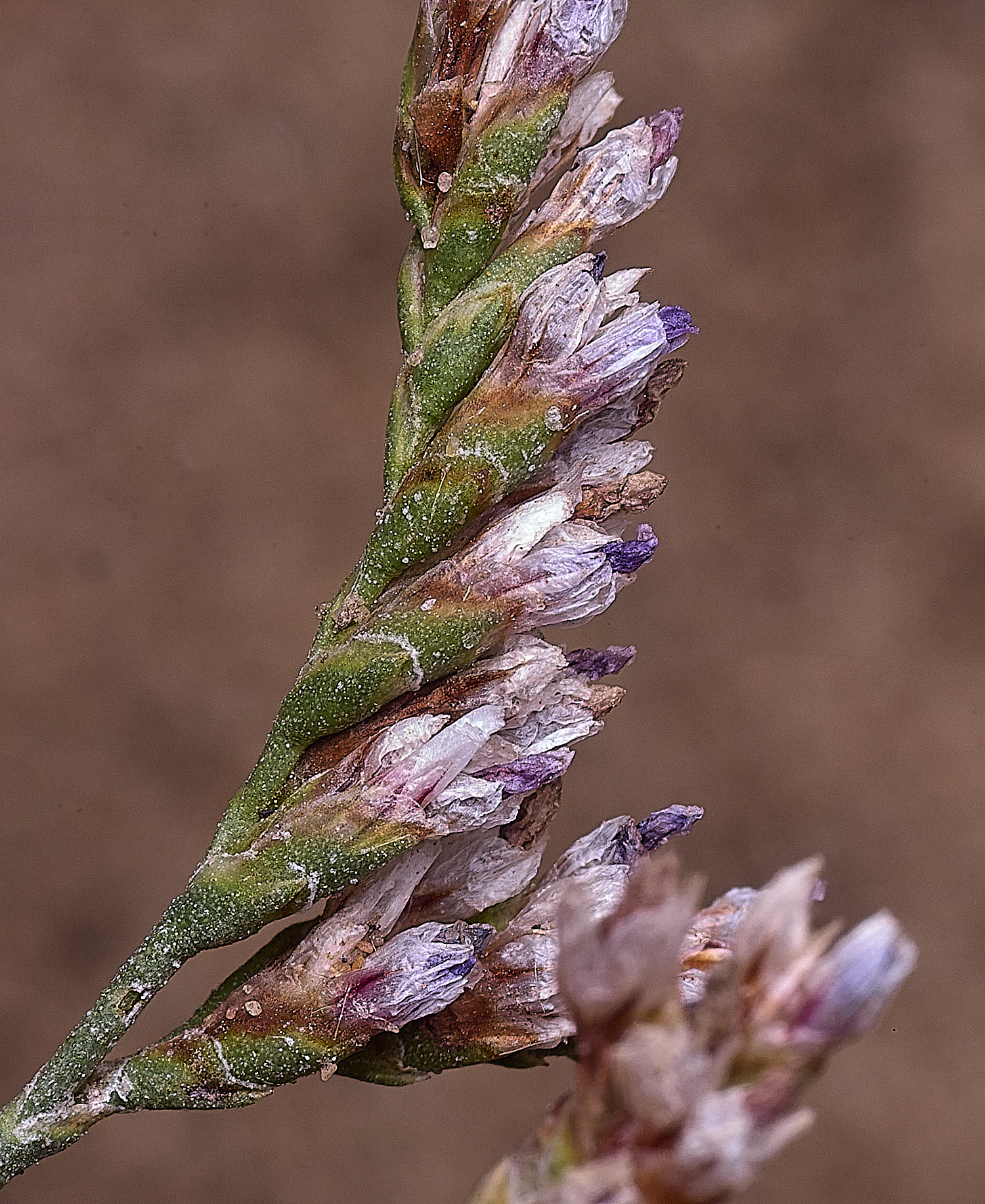
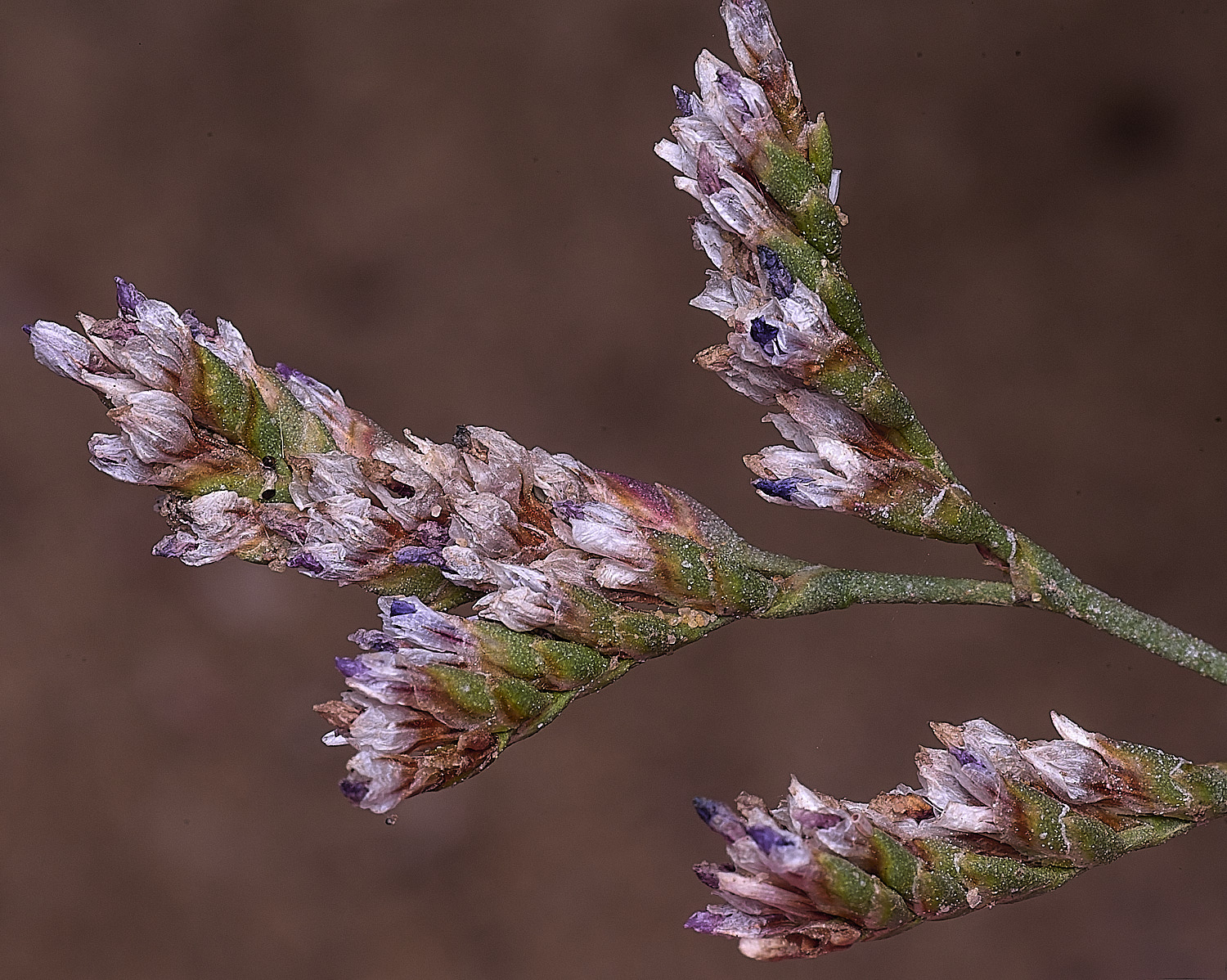
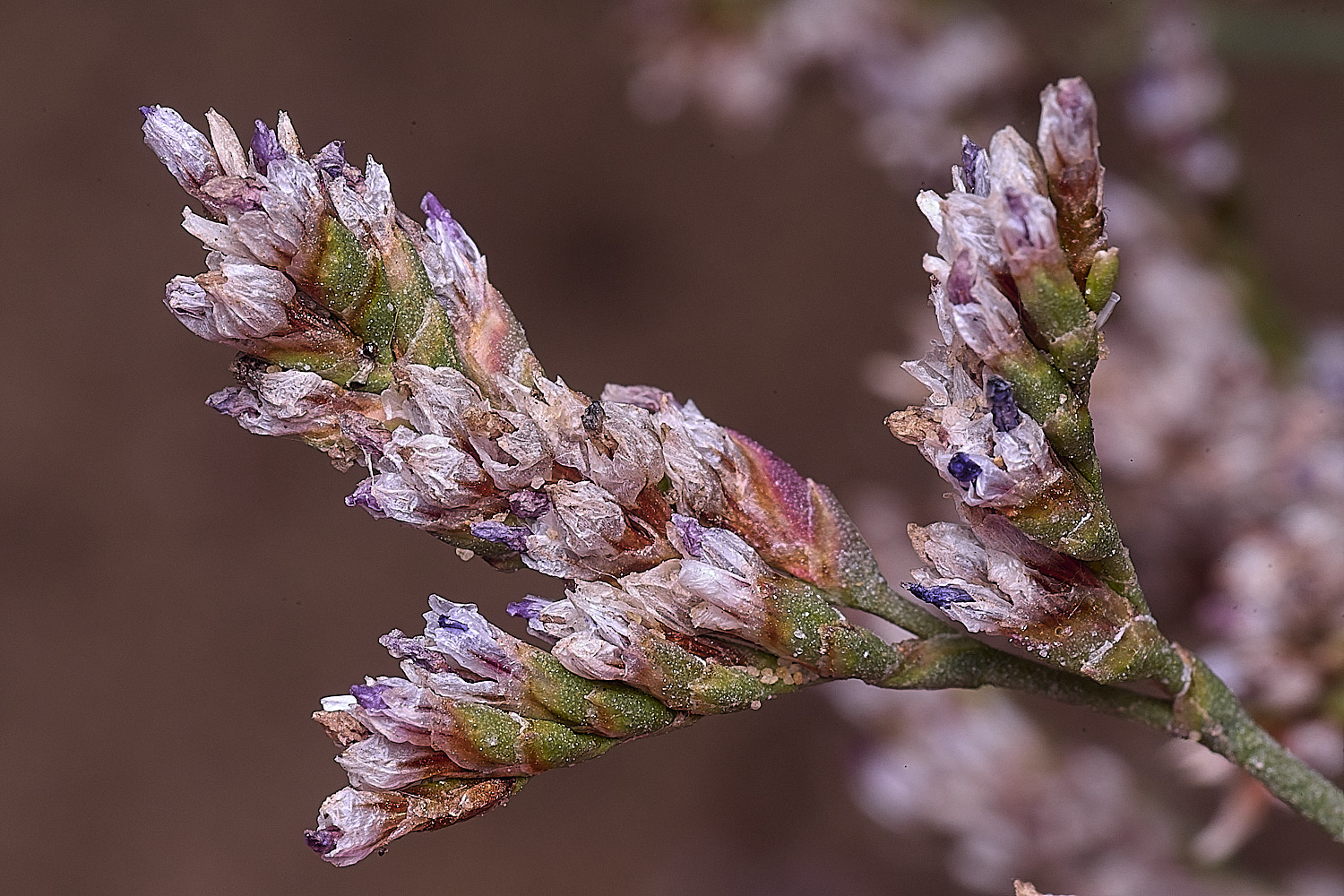

Intermediate Sea Lavender (Limonium intercedens)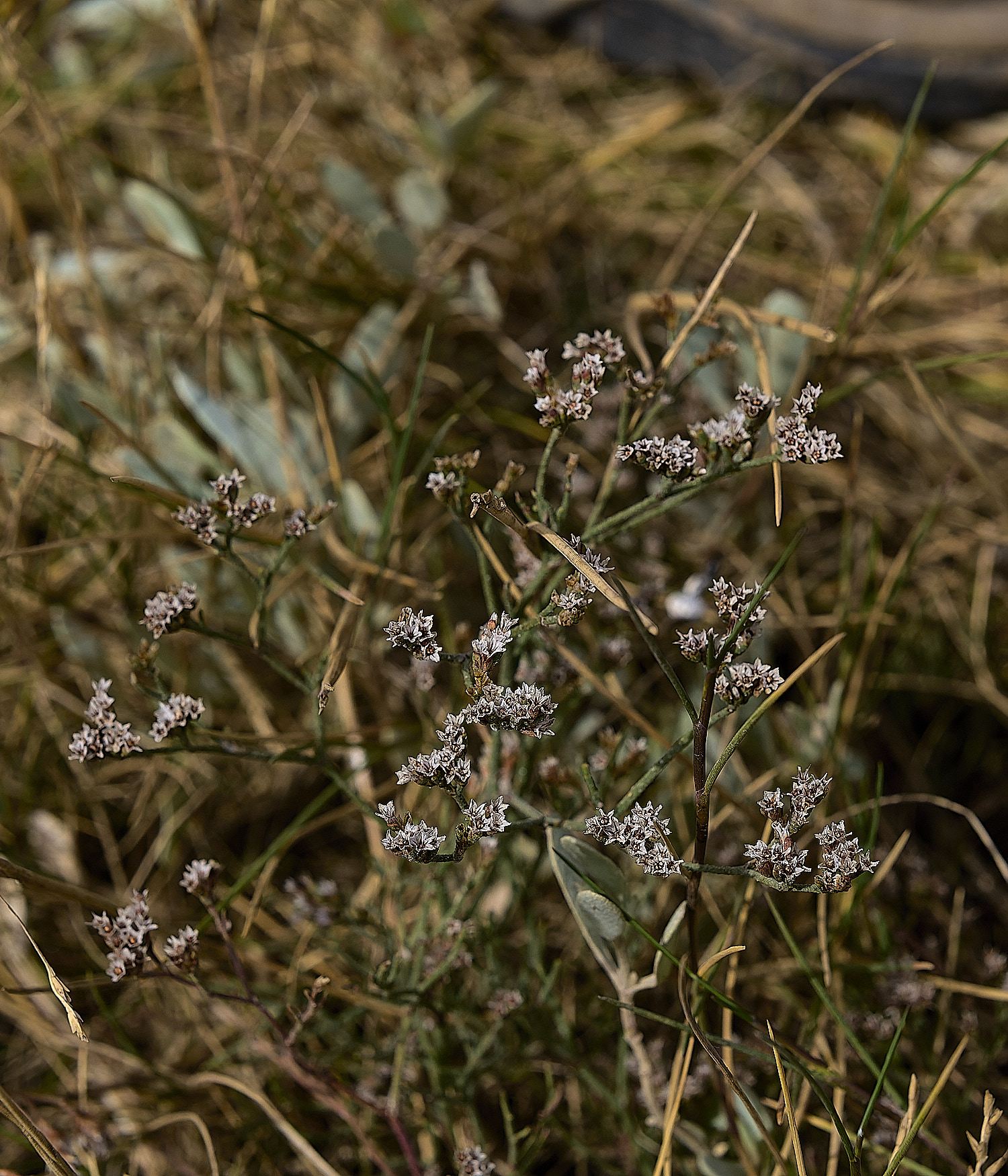


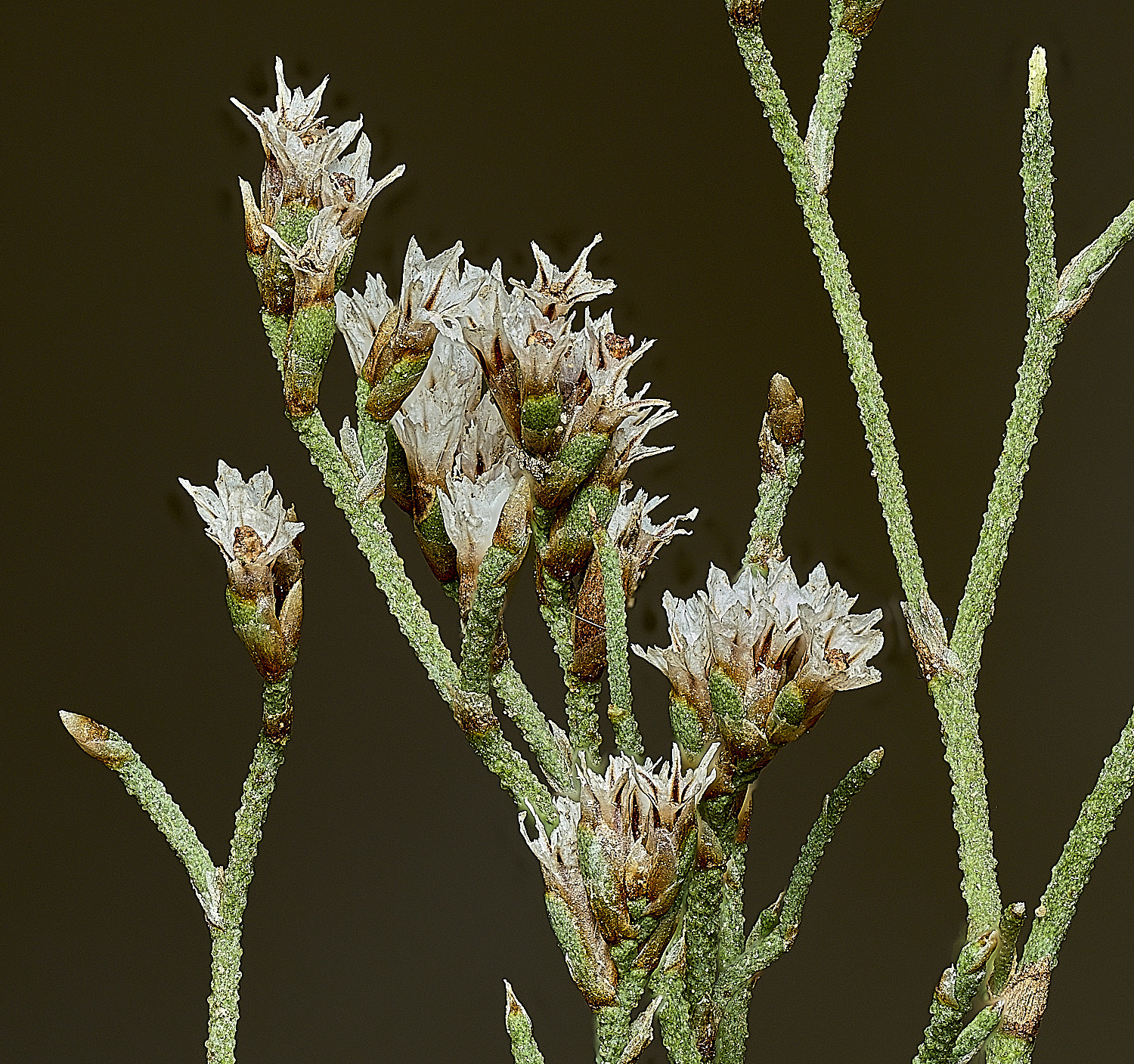
Matted Sea Lavender (Limonium bellidifolium)

To finally see a lugworm - Amazing
There are two species that live in the sand Arenicola marina (Blow Lug) and Arenicola defodiens (Black Lug)
It's all in the casts and I didn't look close enough so which species??
But because this one was unusually on the surface it is recognisable as Blow Lug (Arenicola marina)
The Marine Life Information network 
Sand Mason Worm tube (Lanice conchilega)


The remains of Holme Timber Circe No 2
The wood dates from 2039 BC
Springer Nature
Holme I (Seahenge) and Holme II: ritual responses to climate change in Early Bronze Age Britain
Saltmarsh - Holme - Thornham